Arathi Pallath

AI Product Designer | 4+ YOE

I am identified as the

Critical thinker

. I'm the designer product managers fight to keep and engineers actually want to collaborate with. My journey didn't start in a design bootcamp; it started at 3 with crayons, evolved through 15 years of disciplined classical dance, and was forged in pandemic chaos, agency excellence, and enterprise product development. I don't just design interfaces; I solve the right problems by bridging the gap between user needs, business goals, and engineering reality.
I am identified as the

Critical thinker

. I'm the designer product managers fight to keep and engineers actually want to collaborate with. My journey didn't start in a design bootcamp; it started at 3 with crayons, evolved through 15 years of disciplined classical dance, and was forged in pandemic chaos, agency excellence, and enterprise product development. I don't just design interfaces; I solve the right problems by bridging the gap between user needs, business goals, and engineering reality.
I am identified as the

Critical thinker

. I'm the designer product managers fight to keep and engineers actually want to collaborate with. My journey didn't start in a design bootcamp; it started at 3 with crayons, evolved through 15 years of disciplined classical dance, and was forged in pandemic chaos, agency excellence, and enterprise product development. I don't just design interfaces; I solve the right problems by bridging the gap between user needs, business goals, and engineering reality.

CHAPTER 1: The Origin | Where Art Meets Discipline

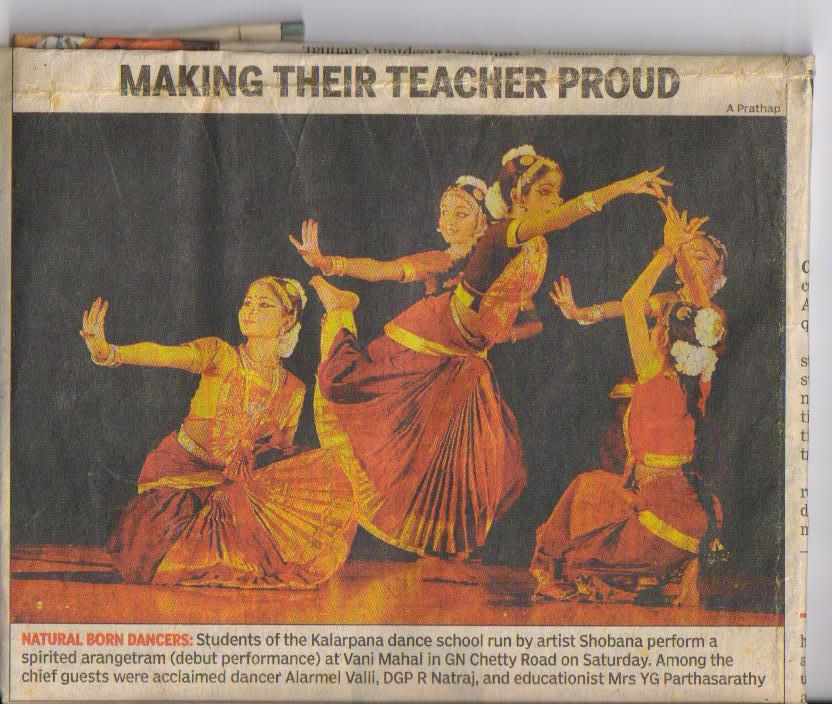
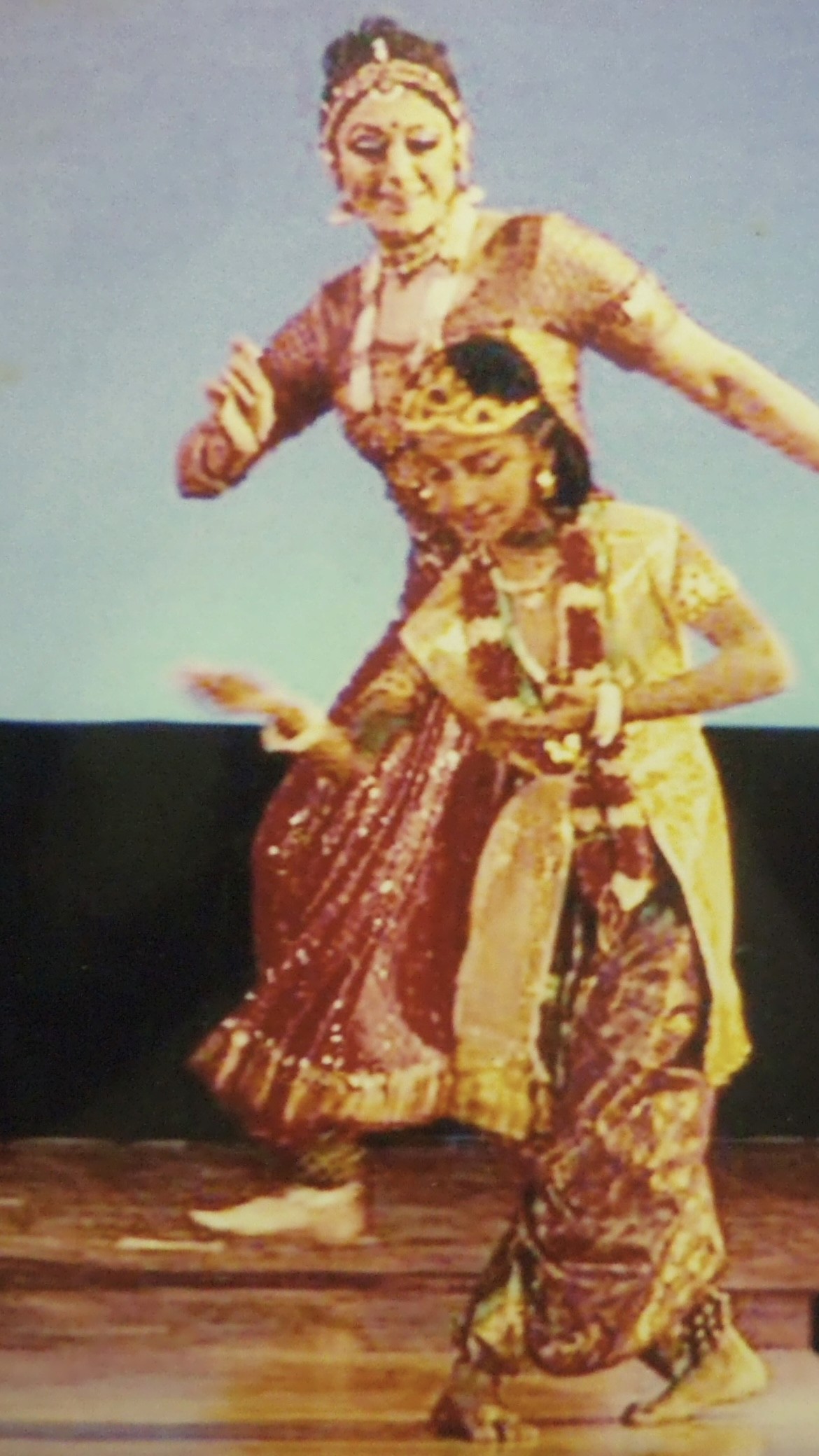
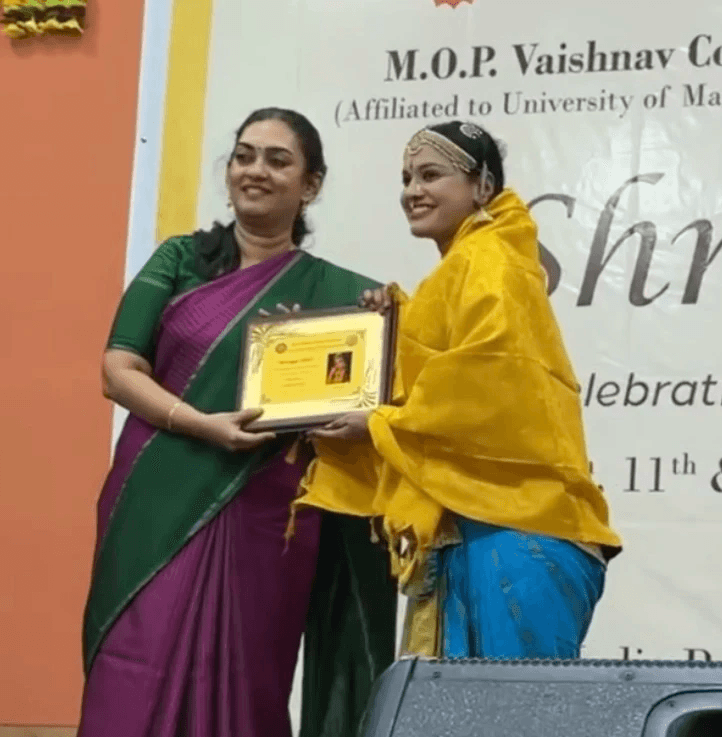
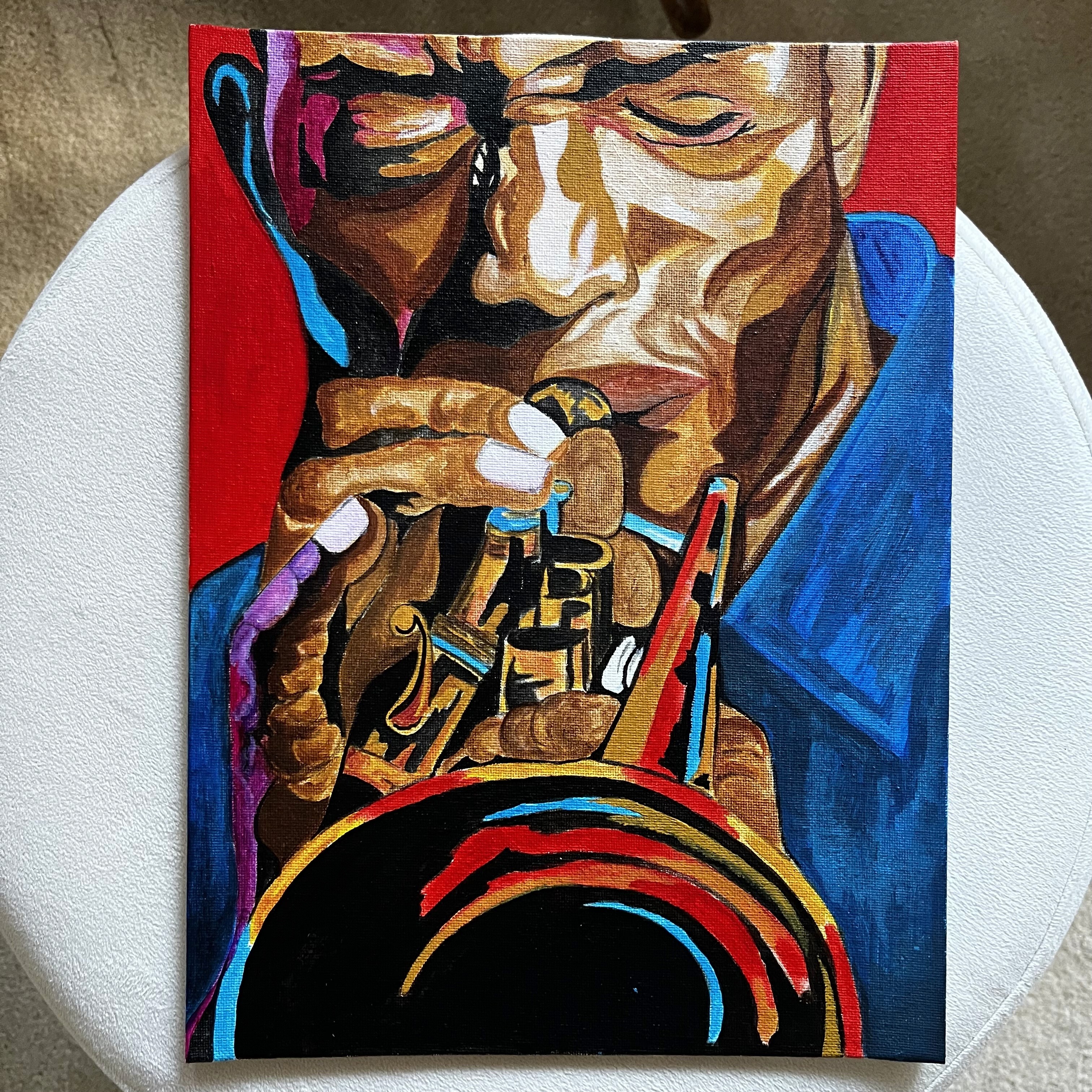
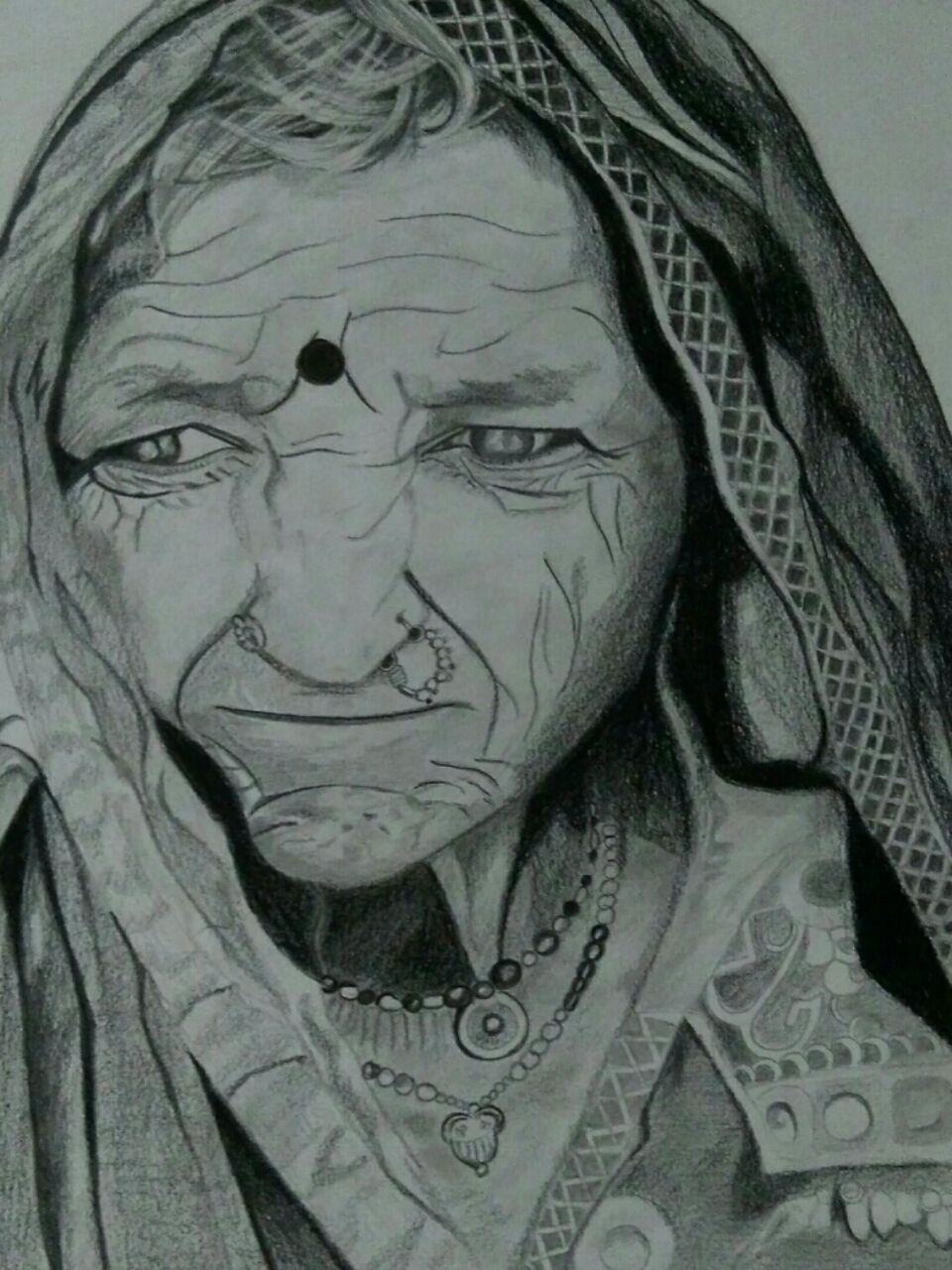
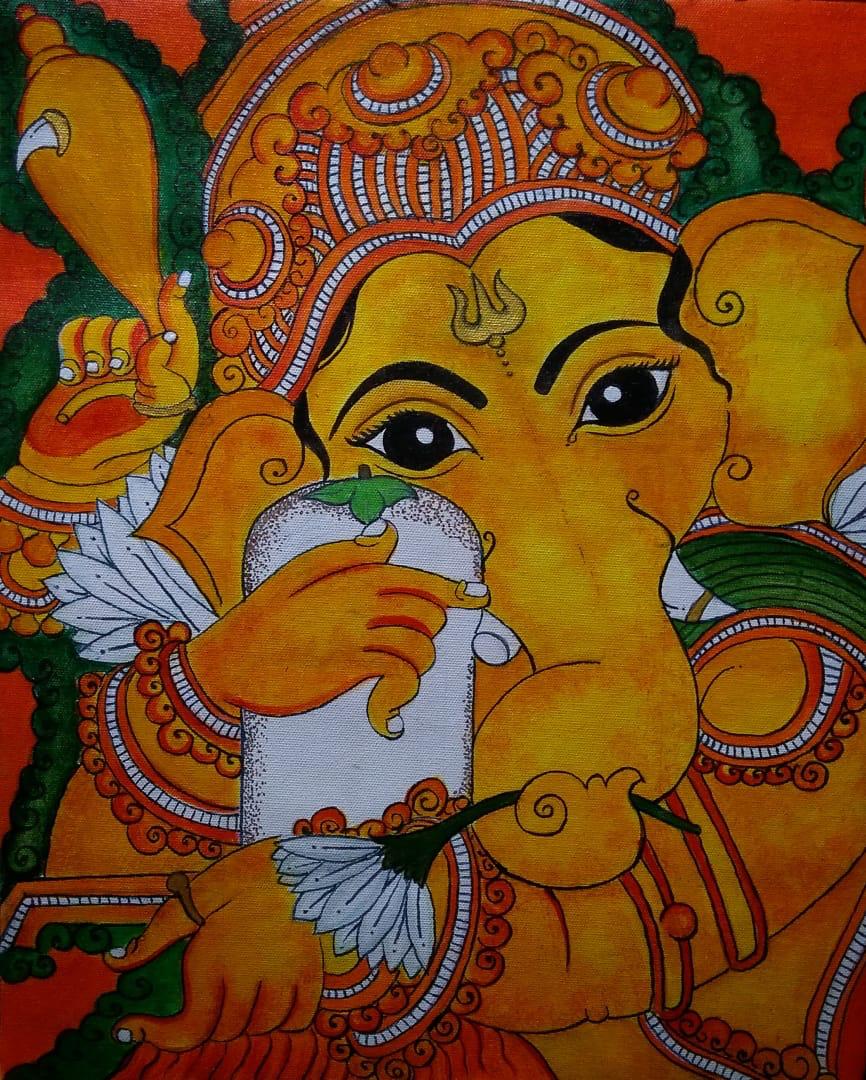
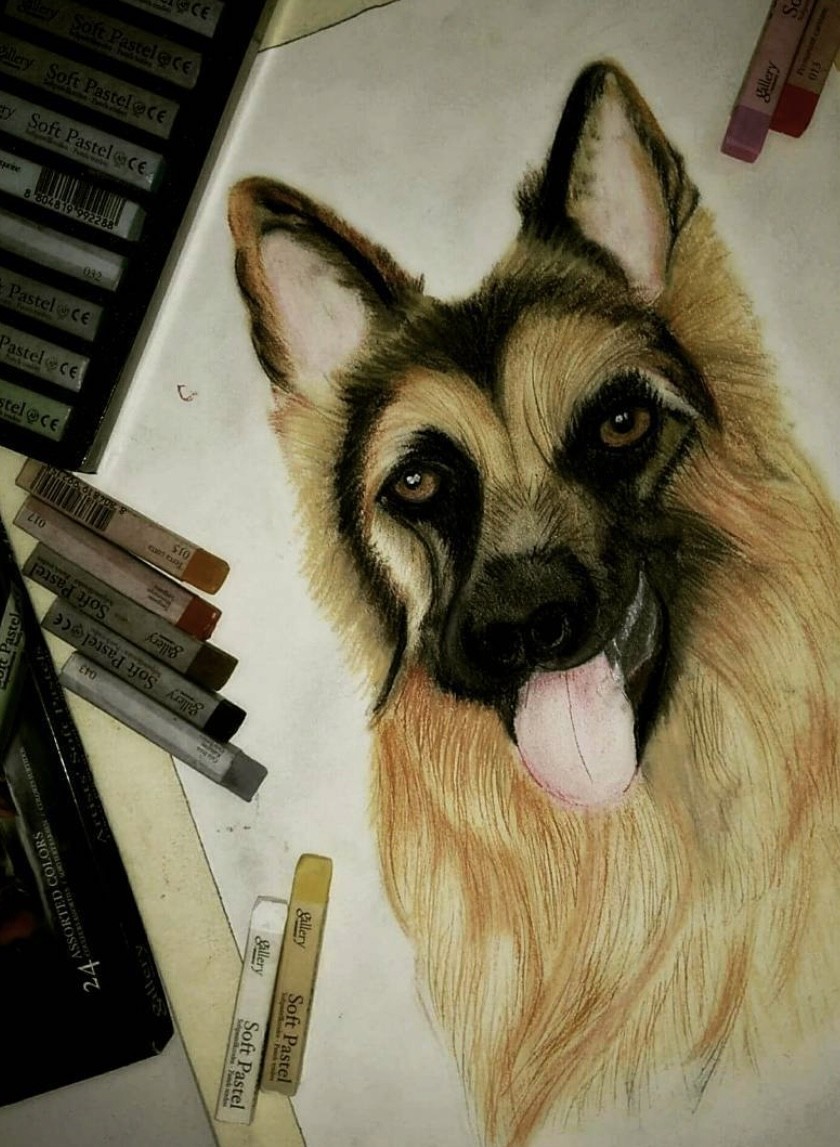
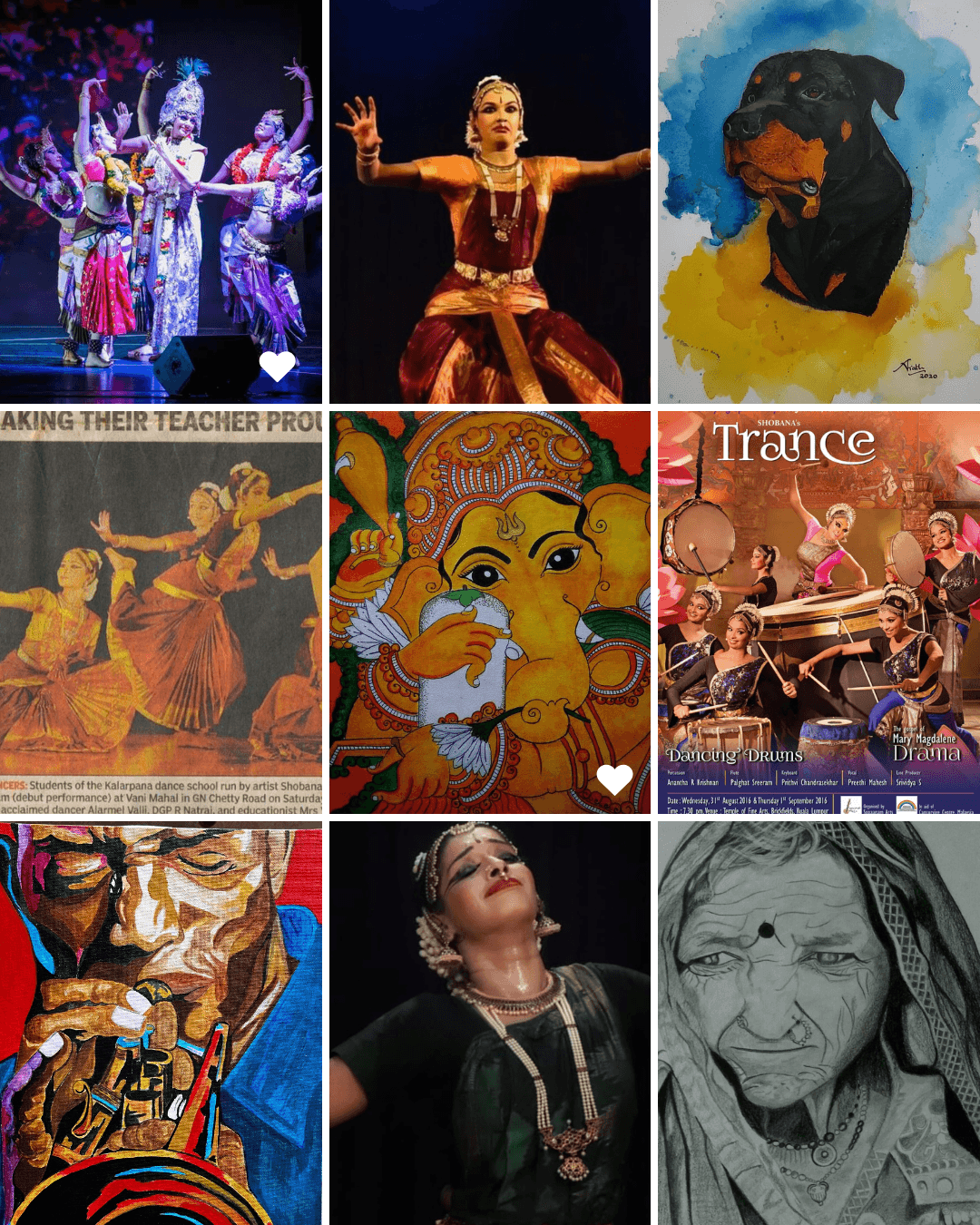
It all started when I was 3 years old, scribbling walls with crayons - a passion for art that would shape everything to come. I taught myself art and, from age 6, trained rigorously in Bharatanatyam, a classical Indian dance form.

It all started when I was 3 years old, scribbling walls with crayons - a passion for art that would shape everything to come. I taught myself art and, from age 6, trained rigorously in Bharatanatyam, a classical Indian dance form.

It all started when I was 3 years old, scribbling walls with crayons - a passion for art that would shape everything to come. I taught myself art and, from age 6, trained rigorously in Bharatanatyam, a classical Indian dance form.

What dance taught me about design:

  • Perfectionist mentality: I spent more time in dance class than school, yet excelled at both. There was no compromise on excellence.

  • Iteration is everything: Rigorous rehearsals, dress rehearsals, stage rehearsals... every performance went through countless iterations before the final show.

  • Performance = user experience: Every move, expression, and gesture was crafted for the audience's experience. The performer's job is to evoke emotion, just like design.

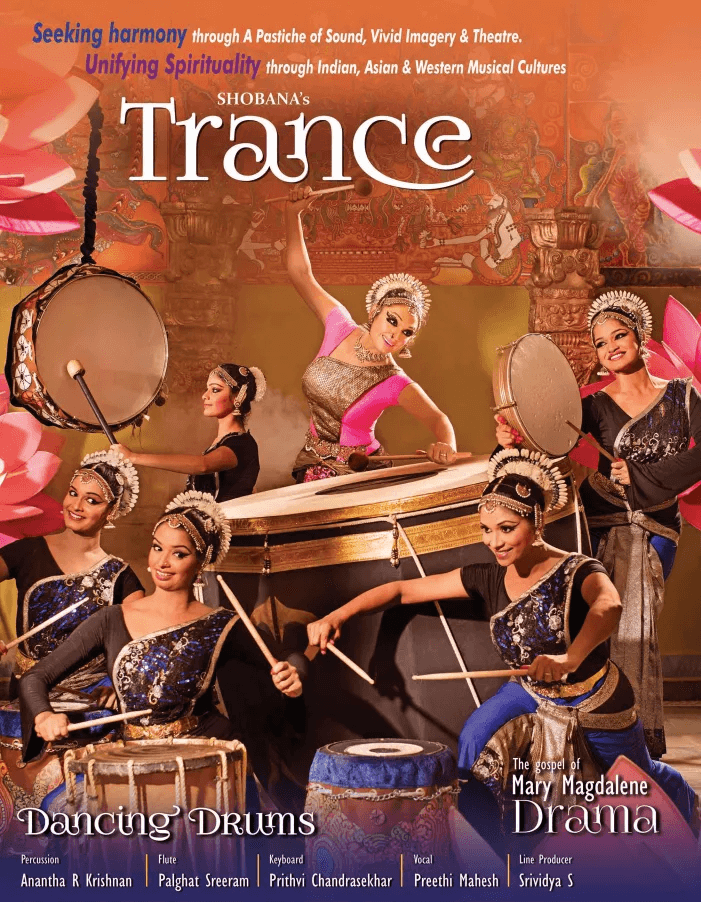
  • Global perspective:Traveling across India and around the world for programs taught me to adapt and flourish in different contexts.

What being self-taught taught me:

  • Resourcefulness: I didn't wait for someone to teach me. I experimented, failed, learned, and tried again.

  • Medium-agnostic creativity: Painting, sketching, sculpture - if it's art, I'm in. This translates to my comfort across design mediums today.

  • Research before execution: Understanding the medium, the tools, the technique before diving in. Sound familiar?

  • Intricate attention to detail: Creating art requires solid rationale for every stroke, every choice.

I pursued my bachelor's in Visual Communication Design, exploring fine arts, graphic design, printing and publication, photography, filmmaking, psychology, and multimedia. As part of the student Ministry of Innovation and Design, I organized events and honed leadership skills that would prove invaluable later. The foundation was set.

CHAPTER 2: Early Career | 2020: When plans changed but momentum didn't

I graduated with a job offer from WongDoody Infosys as a UX Designer. Then COVID-19 hit, my training was postponed, my joining date? uncertain. But I didn't wait. I enrolled in online UI/UX courses and seized an opportunity at Mentor Match, a startup, as their UI/UX designer. I was the only designer on the team - sink or swim territory.

I graduated with a job offer from WongDoody Infosys as a UX Designer. Then COVID-19 hit, my training was postponed, my joining date? uncertain. But I didn't wait. I enrolled in online UI/UX courses and seized an opportunity at Mentor Match, a startup, as their UI/UX designer. I was the only designer on the team - sink or swim territory.

I graduated with a job offer from WongDoody Infosys as a UX Designer. Then COVID-19 hit, my training was postponed, my joining date? uncertain. But I didn't wait. I enrolled in online UI/UX courses and seized an opportunity at Mentor Match, a startup, as their UI/UX designer. I was the only designer on the team - sink or swim territory.

What I learned as a solo designer:

  • Ownership: Every decision was mine. Every consequence was mine to handle.

  • Rapid skill acquisition: No senior designer to lean on meant teaching myself, fast.

  • Cross-functional fluency: Working directly with founders, developers, and users with no buffer.

  • Resourcefulness under pressure: Limited resources, unlimited problems to solve.

This startup experience became my secret weapon. When I finally joined Infosys, I could grasp concepts faster, contribute immediately, and hit the ground running.

CHAPTER 3: Agency Life | Where I earned my stripes

CHAPTER 3: Agency Life | Where I earned my stripes

CHAPTER 3: Agency Life | Where I earned my stripes

My time at WongDoody Infosys was a masterclass in growth. I lived through the full transition of remote to hybrid to in-person. I dove deep into a core domain (aviation) and quickly proved myself.

My time at WongDoody Infosys was a masterclass in growth. I lived through the full transition of remote to hybrid to in-person. I dove deep into a core domain (aviation) and quickly proved myself.

My time at WongDoody Infosys was a masterclass in growth. I lived through the full transition of remote to hybrid to in-person. I dove deep into a core domain (aviation) and quickly proved myself.

The highlights:

  • Secured additional projects through exceptional performance as a fresher

  • Managed multiple tracks simultaneously while maintaining quality

  • Engaged directly with clients - learning the art of stakeholder management

  • Became the "go-to person" for organizing engaging employee initiatives

  • Crowned "minutes of the meeting taker" (which taught me active listening and documentation skills)

  • Consistently exceeded expectations, garnering numerous accolades and awards for dedication and work ethics

The secret sauce:

I had an exceptional manager, and the best boss I've ever had. They saw potential in me and cultivated it. They taught me that great design isn't just about the work, it's about how you show up, collaborate, and elevate everyone around you.


I didn't just take challenging work, I sought it out. Every complex problem was a chance to learn. Every difficult conversation was practice for the next level.


The success metric: Our client relationship grew so strong that we secured additional projects, proof that quality work speaks louder than pitch decks.

The evolution: from eager learner to trusted contributer

CHAPTER 4: Product World | Where I learned to navigate complexity

CHAPTER 4: Product World | Where I learned to navigate complexity

CHAPTER 4: Product World | Where I learned to navigate complexity

Transitioning from WongDoody to Freshworks was like jumping from a boat into the ocean. For the longest time, I'll admit, I felt like an ant in the ocean.

Transitioning from WongDoody to Freshworks was like jumping from a boat into the ocean. For the longest time, I'll admit, I felt like an ant in the ocean.

Transitioning from WongDoody to Freshworks was like jumping from a boat into the ocean. For the longest time, I'll admit, I felt like an ant in the ocean.

The reality check:

  • Moving from agency project cycles to continuous product evolution

  • From boutique teams to enterprise-scale collaboration

  • From client-driven timelines to product roadmap prioritization

but here's what i did:

But here's what I did: I fostered ongoing collaborations with managers, product experts, engineers, and fellow designers. I asked questions, lots of them. I didn't pretend to know what I didn't, and


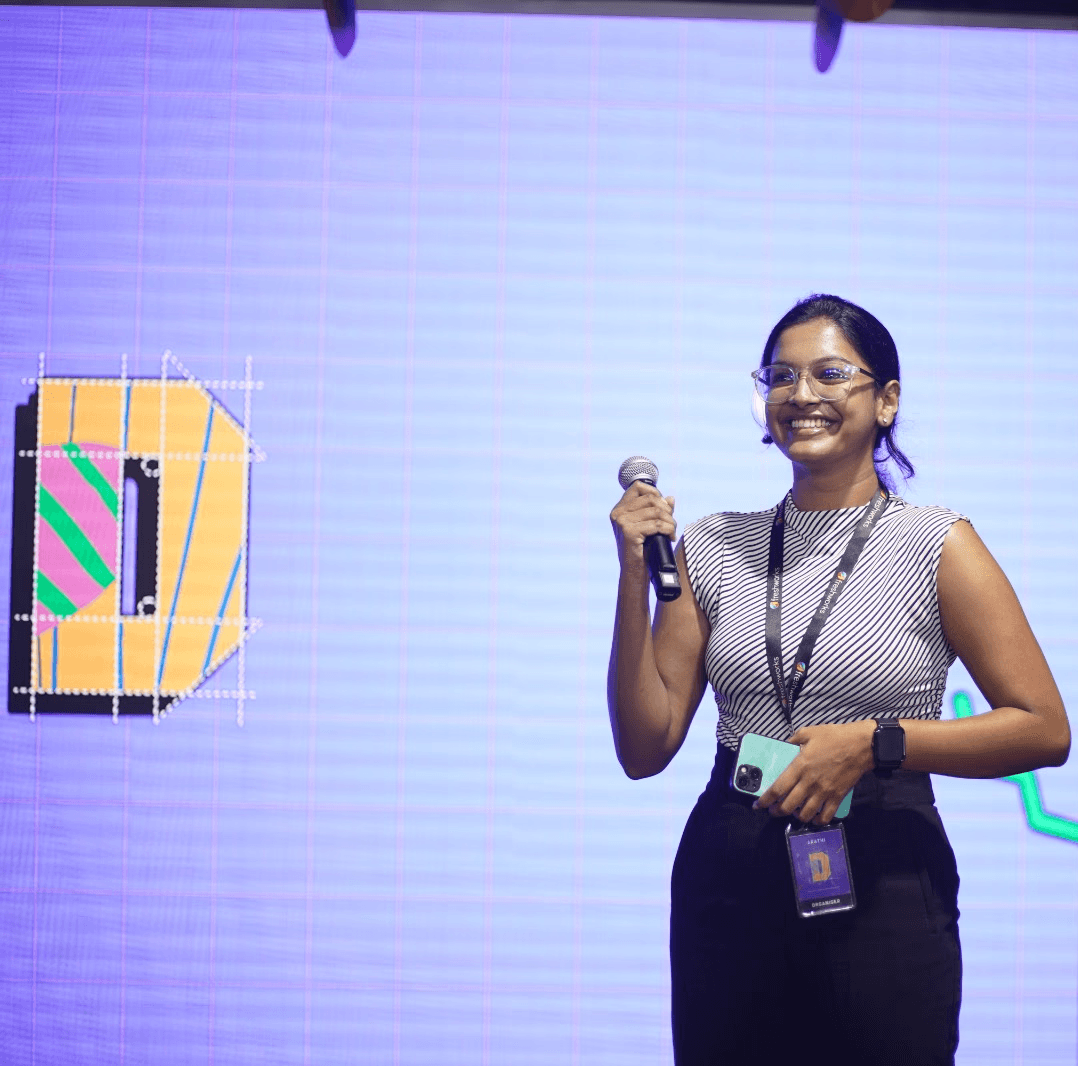
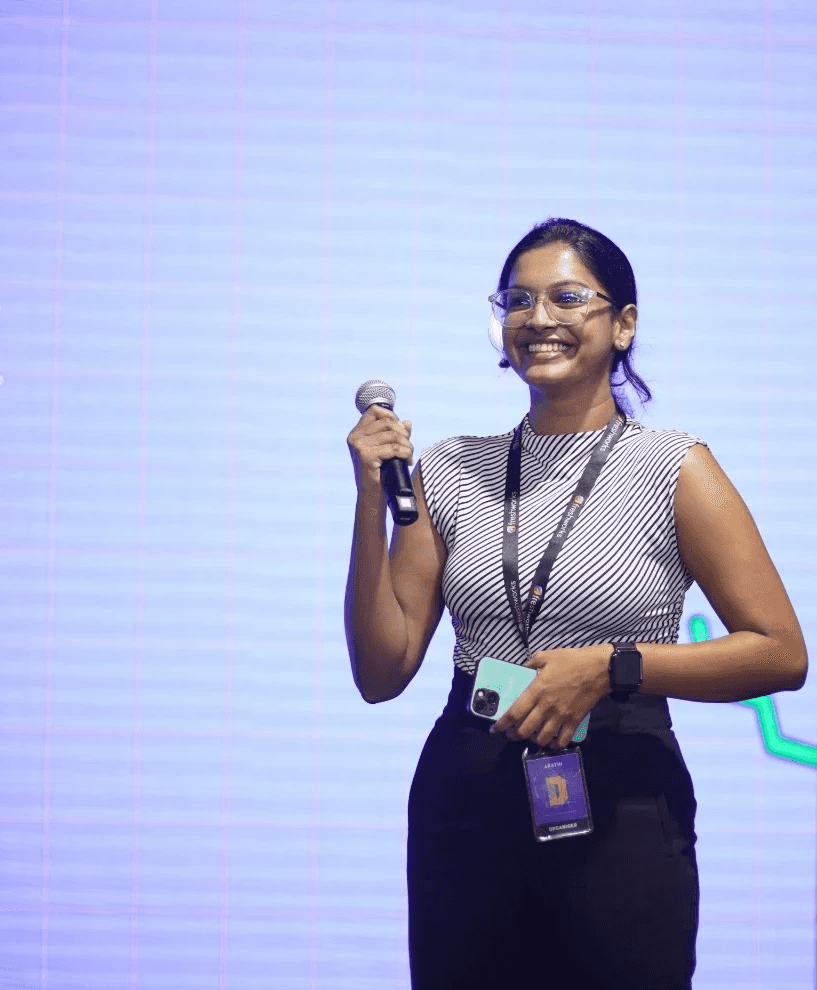
Kept what worked: Sustained enthusiasm for volunteering and hosting events for team collaboration, hosted weekly meetings for project updates, design discussions, and fun design activities, and remained the "critical thinker" known for asking the right questions at the right time

the breadth of work:

  • AI automations

  • Dashboards and analytics

  • Admin features

  • Freddy AI features

  • Core contributor to the Freddy AI design system, bringing structure and consistency to chaos

What product design taught me: I gained a comprehensive view of the entire product development process - from ideation through continuous improvement. I learned to:

  • Think in systems, not just screens

  • Balance innovation with scalability

  • Design for evolution, not just launch

  • Measure impact in adoption and retention, not just aesthetics

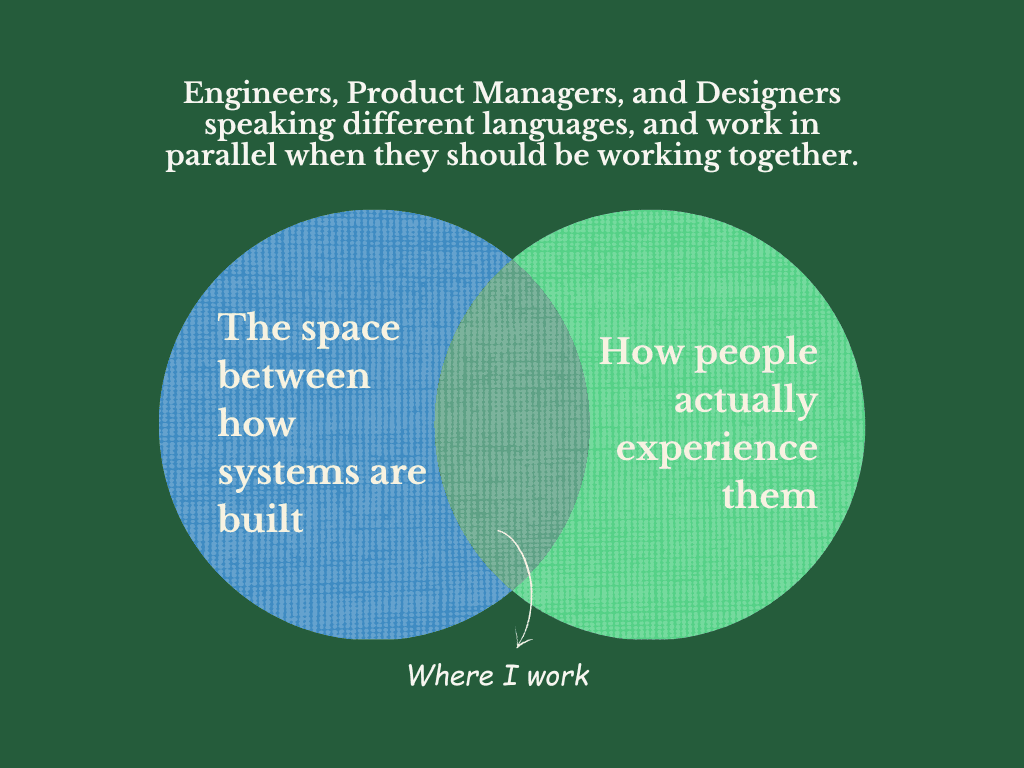
The gap I discovered: Throughout this journey, I noticed a persistent void - the chasm between engineers, product managers, and designers. We spoke different languages. We optimized for different outcomes. We sometimes worked in parallel instead of in harmony.
This gap became my obsession.

CHAPTER 5: What's Next | the designer I'm becoming

CHAPTER 5: What's Next | the designer I'm becoming

CHAPTER 5: What's Next | the designer I'm becoming

The decision to pursue my master's wasn't easy, but that gap I identified? It haunted me. I needed to fill it. My master's chiseled me into exactly what I wanted to become. I took classes at the esteemed Kelley School of Business, learning to speak the language of ROI, market positioning, and strategic growth. Throughout my master's program, we were pushed to think deeper, critically, strategically.

The decision to pursue my master's wasn't easy, but that gap I identified? It haunted me. I needed to fill it. My master's chiseled me into exactly what I wanted to become. I took classes at the esteemed Kelley School of Business, learning to speak the language of ROI, market positioning, and strategic growth. Throughout my master's program, we were pushed to think deeper, critically, strategically.

The decision to pursue my master's wasn't easy, but that gap I identified? It haunted me. I needed to fill it. My master's chiseled me into exactly what I wanted to become. I took classes at the esteemed Kelley School of Business, learning to speak the language of ROI, market positioning, and strategic growth. Throughout my master's program, we were pushed to think deeper, critically, strategically.

If you're looking for a designer who:

If you're looking for a designer who:

If you're looking for a designer who:

  • Asks the uncomfortable questions early (before they become expensive problems)

  • Bridges the chasm between engineering, product, and business with fluency in all three languages

  • Brings structure to ambiguity and treats constraints as creative fuel

  • Measures success in user outcomes and business impact, not just shipped pixels

  • Commits with the discipline of a classical dancer - relentless practice, graceful execution

Then you've found the right person.

I don't just design interfaces, I architect solutions that align user needs with business goals while keeping engineers excited (not exhausted).

My superpower? Knowing what question to ask in the room, and which problem is worth solving.

When can we start working together?

Create a free website with Framer, the website builder loved by startups, designers and agencies.